
As with all the components of a motorcycle or scooter, there comes a time when we must carry out proper maintenance. JCosta variators are no exception when it comes to maintenance, although this is not something they are particularly known for.
In this article, we are going to talk about how to carry out proper maintenance on our JCosta variator to avoid reliability problems or unwanted wear.
As we have mentioned in other posts, it is recommended that assembly and maintenance be carried out by professionals and authorised workshops. In this way, we ensure correct assembly and operation of the variator and its components.
How often should I maintain a JCosta variator?
As with other components, variator maintenance must be in line with the conditions and treatment given to the motorcycle. If we ride sportily, take the motorcycle onto a track and the weight the motorcycle has to pull is high, it is more likely that maintenance will need to be carried out sooner than if the scooter is used for urban riding or motorways.
For this same reason, we recommend carrying out a variator inspection at every oil change (approximately every 4,000 km, depending on the motorcycle model). During this inspection, we must check the condition of:
The weights
They are the element that suffers the most wear compared with the rest. It is very easy to identify when we need to replace the variator weights, since when riding the motorcycle we will notice that the engine revs up but lacks thrust, or that power has decreased.
During a visual inspection, we will observe that the tip of the weights has flattened due to friction with the variator bell, and the hole located at the tip of the weight can no longer be seen. In this way, by looking at the wear indicator, we will know how much life our weights have left.
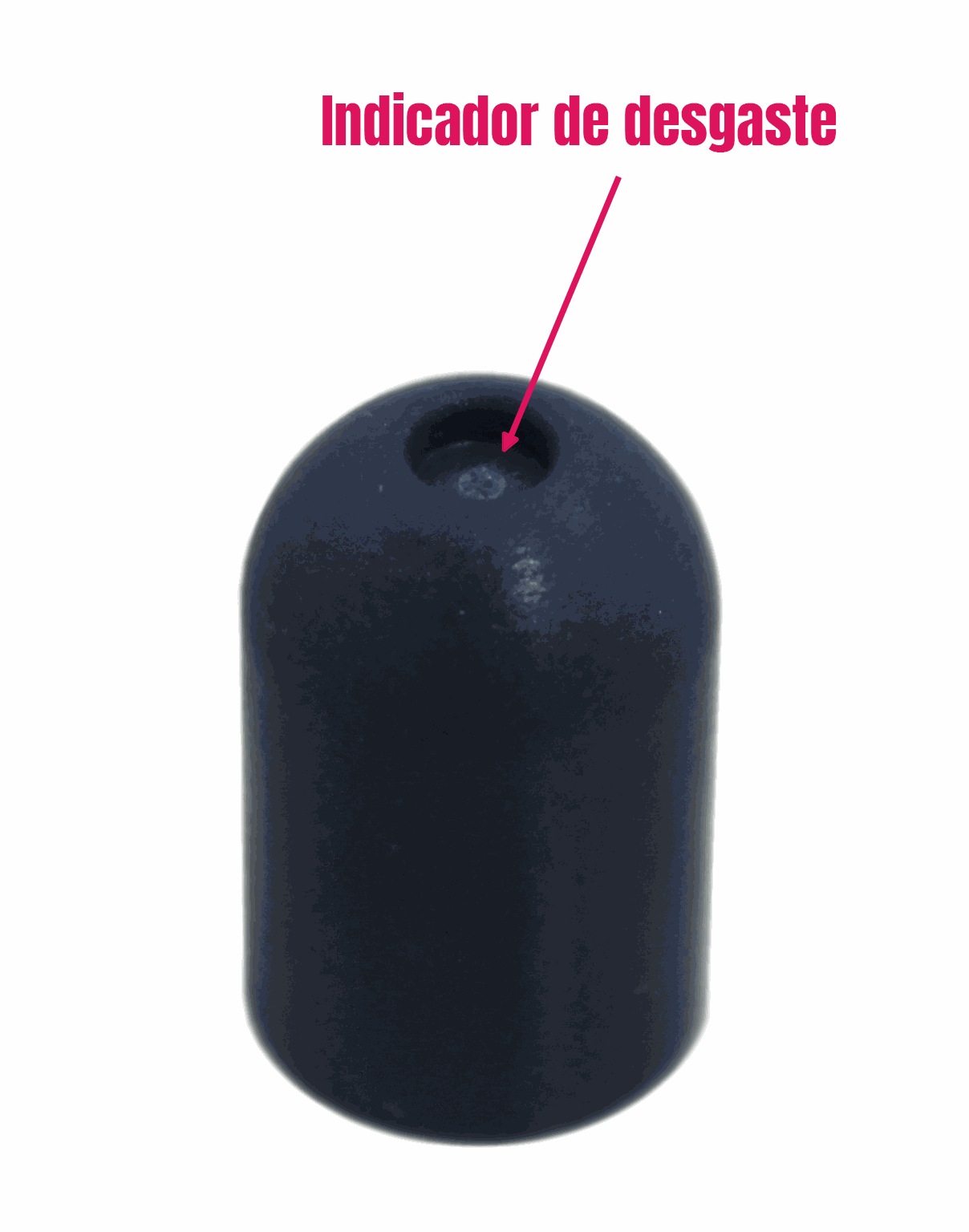
Under normal conditions, it is estimated that the weights should be replaced every 2 oil changes of our scooter approximately.
Warning: Fitting weights of an incorrect length does not exempt us from maintaining this component. We will only achieve a loss of top speed.
The bushing
It is the element that withstands the greatest friction and, at the same time, ensures proper operation of the variator.
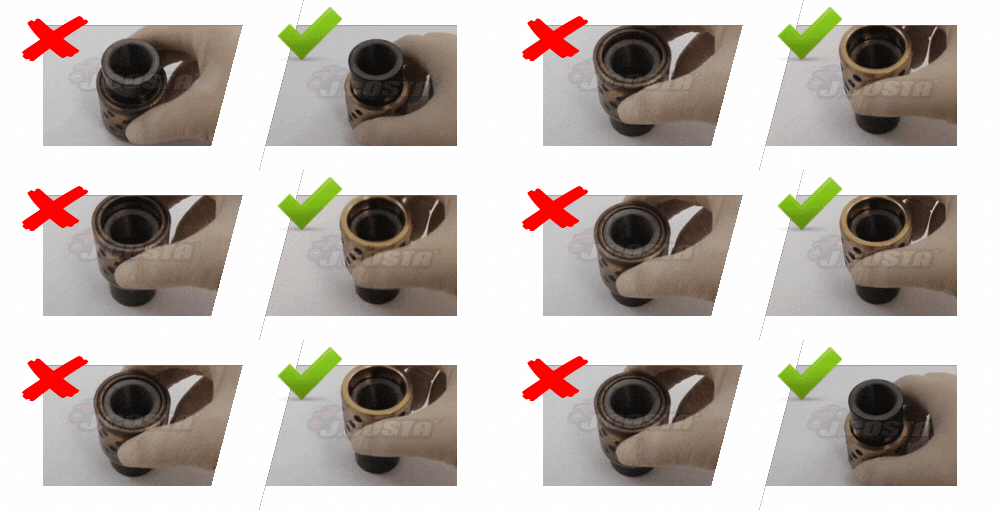
To identify whether we need to replace the bushing of our JCosta variator, we must pay attention to the tolerance or play that exists between the pin and the bushing. If it is greater than 0.2 mm, the bushing must be replaced with a new one.
It is estimated that the bushing should be replaced approximately every 4 oil changes (around 16,000 km).
The pin
The pin should only be replaced with a new one if there is deterioration on its outer walls. To do this, carry out a visual inspection of the condition of the pin or check the tolerance between the pin and the new bushing.
The belt
Inspecting the tension of the transmission belt will indicate its wear. This element is especially important in the JCosta XRP ranges, as it withstands more power than the standard belt.
If we have a JCosta PRO fitted, we must always replace the belt with the original one or with one that has the same specifications indicated by the manufacturer.
How to replace the components of the JCosta variator?
To carry out maintenance on the JCosta variator, it is necessary to have the required tools and equipment.
Changing the weights
To change the weights, we will simply remove the bell and the old weights and place the new ones in their place. Remember that you can adjust the weight of the weights to obtain the result that best suits your needs.
Once the weights have been replaced, they need a break-in period (between 200 and 300 km), during which the weights will wear in to fit the variator properly.
Changing the bushing
To change the variator bushing, it is necessary to heat the body with a heat gun to approximately 160 ºC. Once hot, we will proceed to remove the worn bushing carefully and always wearing gloves to avoid burns.
We will heat the variator body again to 160 ºC and insert the new bushing in its place. Once in position, we will let the variator cool down so that the bushing is properly secured.
Under no circumstances should lubricants, greases or sharp objects be used to carry out variator maintenance.
Conclusion
JCosta variators offer a high level of performance and reliability, provided that the appropriate maintenance is carried out so that their operation is always optimal.
If you want to know what the benefits of a JCosta variator are or how to make the most of your scooter’s power, subscribe to our newsletter and be the first to hear all our updates, news and tips.